The Fine Art World Is Discovering Fossils
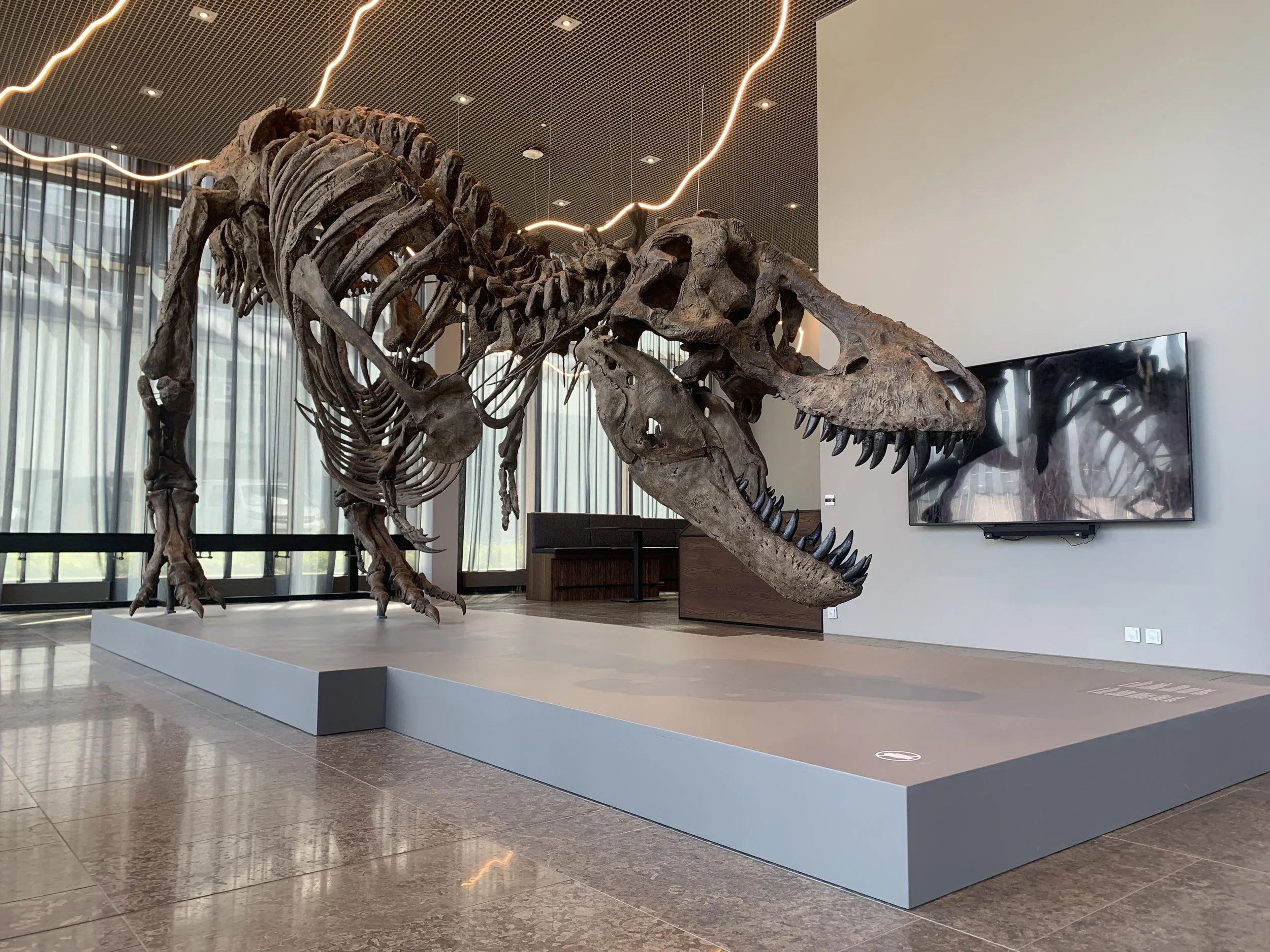
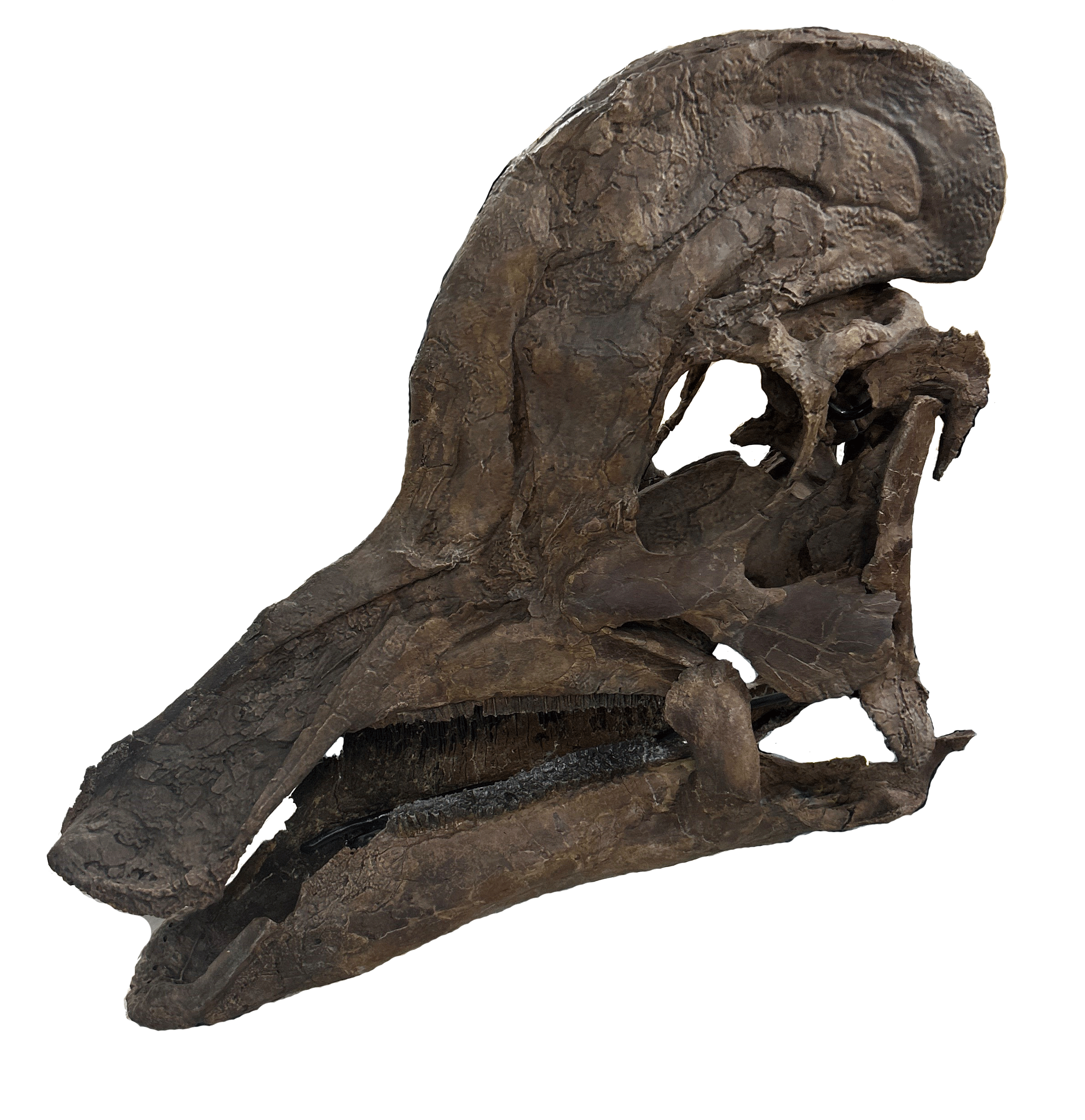
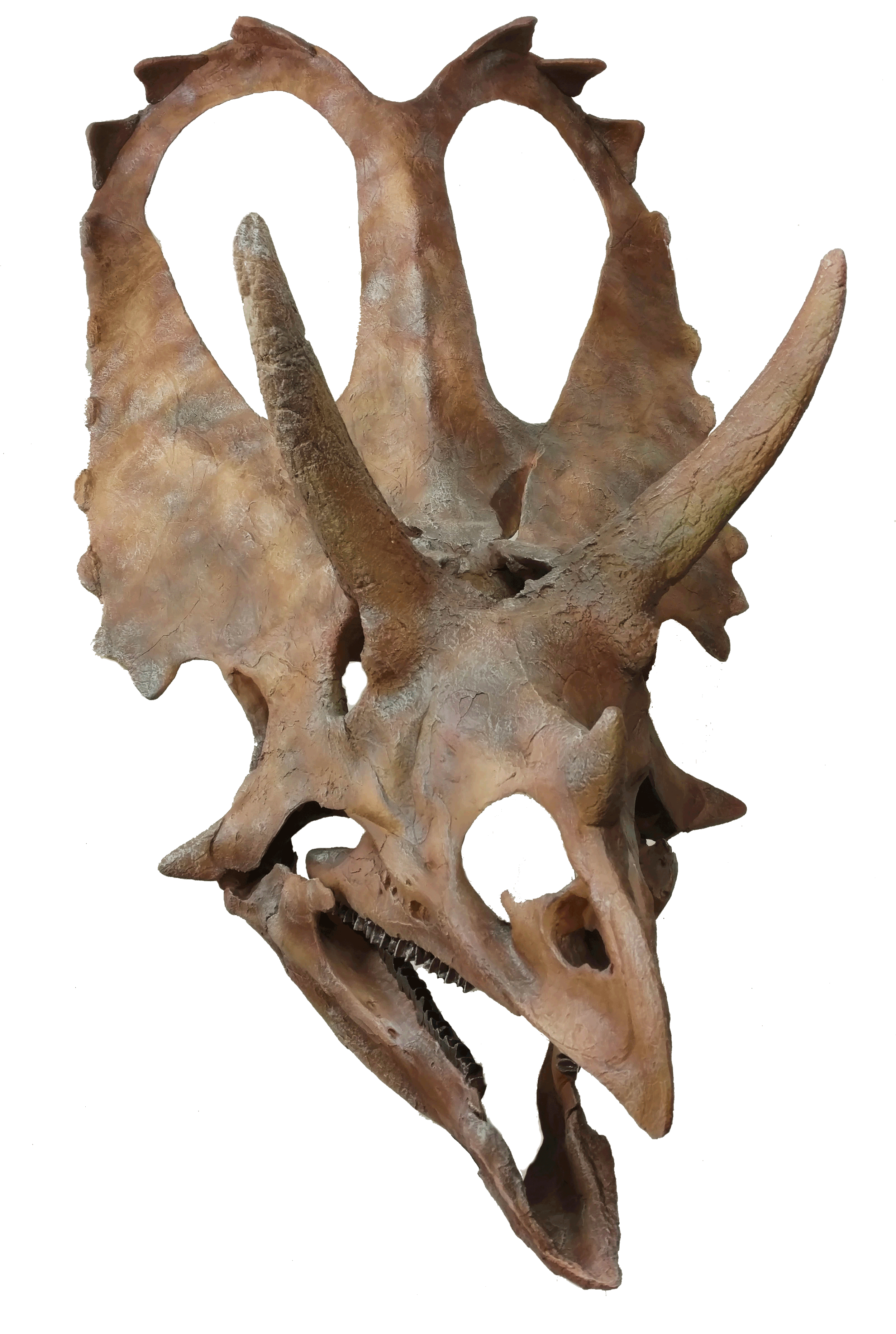
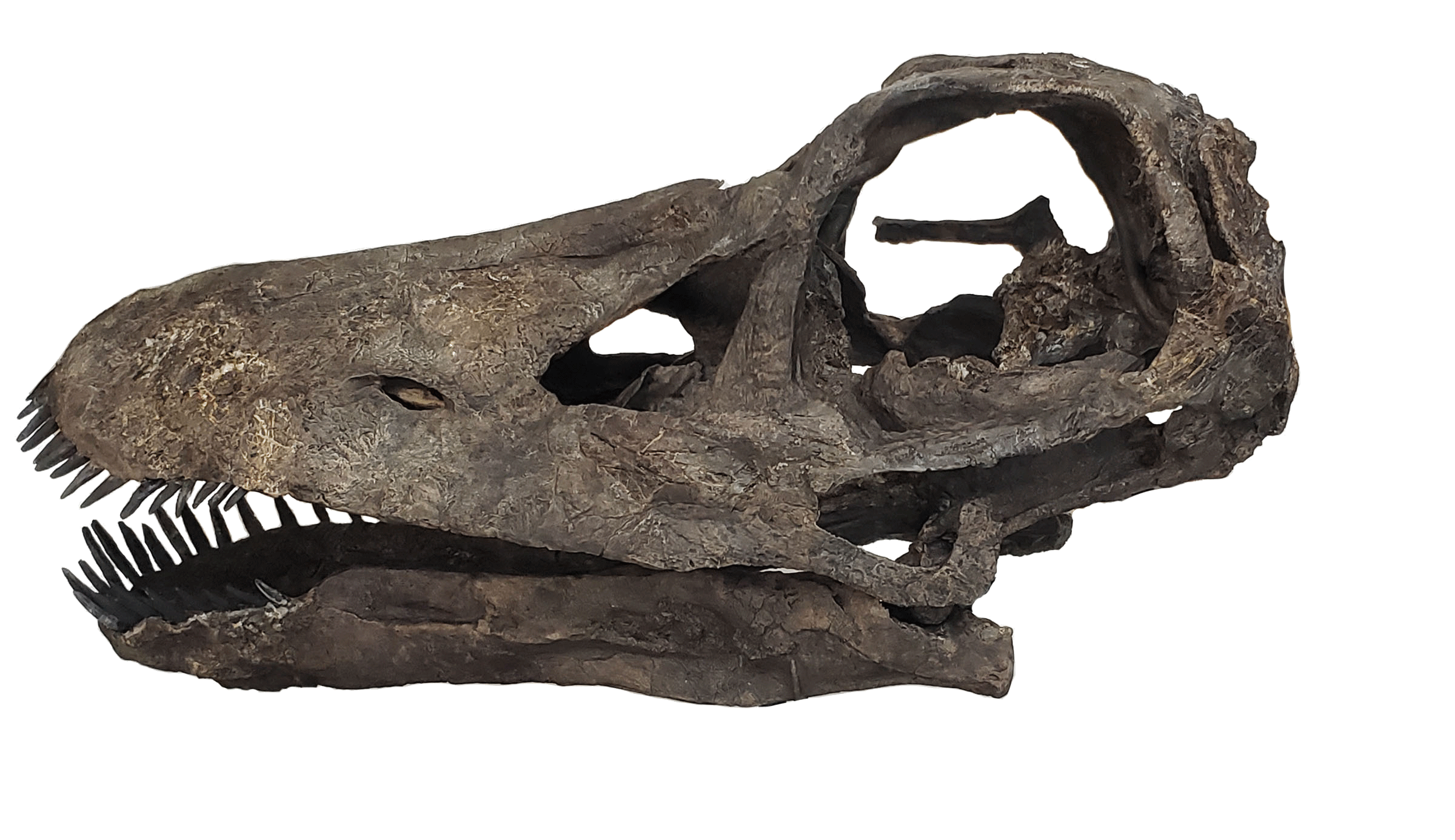
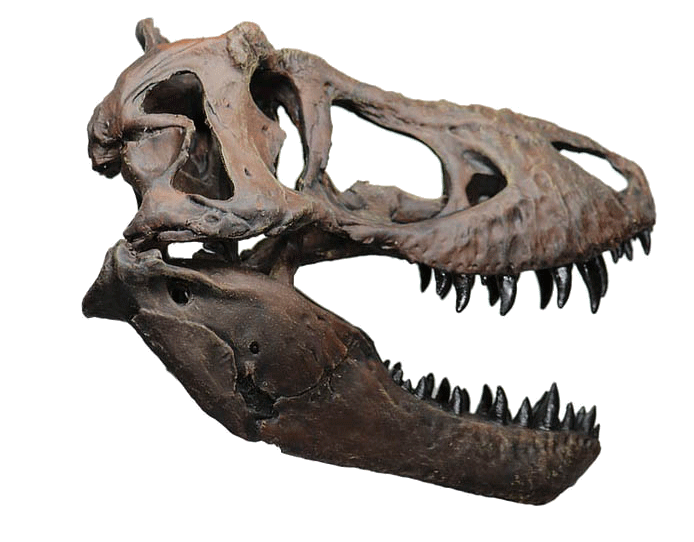
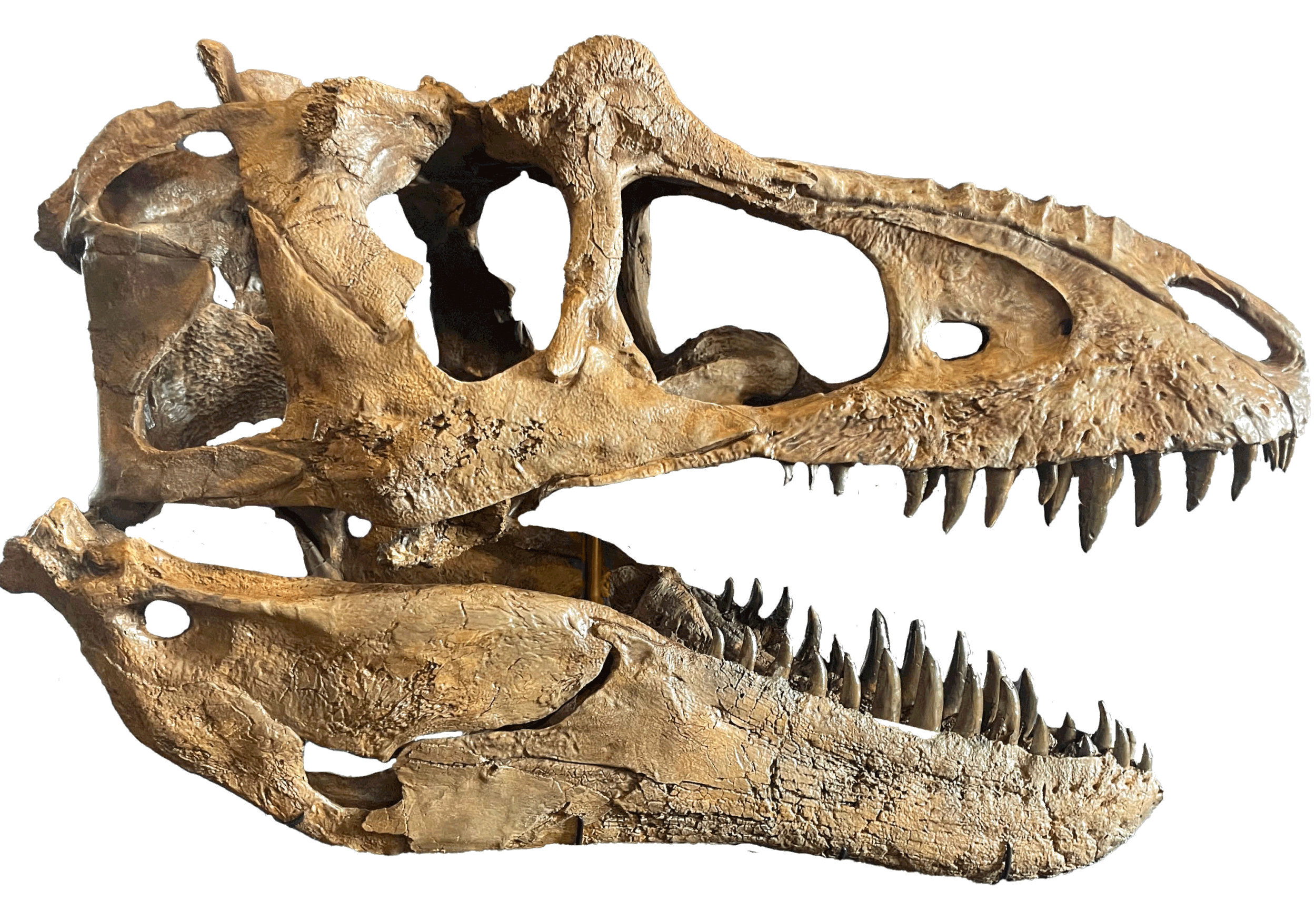
Tyrannosaurus rex cast replica built by Triebold Paleontology for a private collector in Oslo, Norway. (2025)
Make Sure You Collect Them the Right Way.
Fine art collectors are increasingly adding fossils and natural history objects to their collections. But unlike traditional art markets, fossil collecting comes with legal, scientific, and authenticity risks most galleries aren’t equipped to explain.
Serious collectors usually want answers to three critical questions:
Is it legal to own fossils?
How do I avoid getting ripped off?
What should I actually buy?
If you don’t know those answers, you’re not alone — and you’re in the right place.
Schedule a Private Fossil Acquisition Consultation
Get expert guidance before you buy. Avoid legal risks, over-restored specimens, and misrepresented fossils.
A Simple Tool Serious Collectors Use
A UV light is one of the most useful portable tools for evaluating fossils.
Fossil material often (but not always) reacts differently under UV light than restoration materials like adhesives, fillers, and paint. Since most fossils contain some restoration — even museum specimens — the goal is transparency, not perfection.
Important buying tips:
Look for lights that produce true UVA at minimum
UVB and UVC capability can provide additional information
Avoid cheap “black lights” or purple LEDs marketed as UV
Never look directly into UV sources
Wear polarized or protective glasses when possible
A UV light won’t replace expertise — but it can help you ask smarter questions and spot obvious red flags.
Why Work With Me
I’ve spent 22 years working professionally in paleontology, including:
6,000+ hours of fossil preparation
Years living in field camps excavating major dinosaur discoveries
Designing and building museum exhibits seen around the world
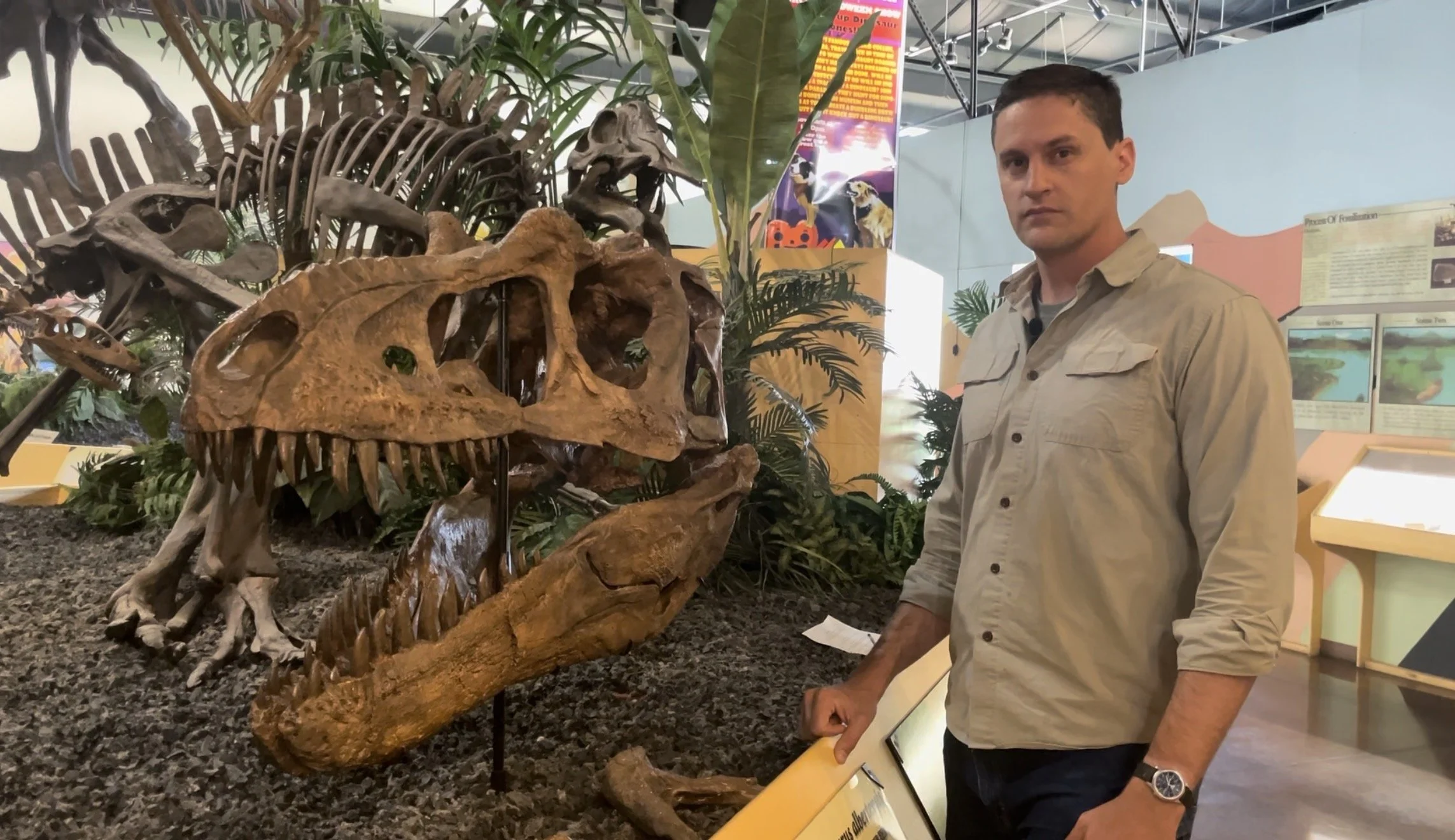
Jacob Jett, Executive Vice President, Corporate Development & Sales at Triebold Paleontology with the Sir William skull at TPI headquarters in Woodland Park, Colorado, United States.
Today, I bring that same scientific and field-based knowledge to the collecting and acquisition side of the fossil world.
Yes — fossil sales are my primary business.
But I also help collectors make informed, confident decisions — even when that means advising you not to buy something.
At heart, I’m a science nerd who loves helping people understand dinosaurs, marine fossils, and natural history.
The Legal Reality of Fossil Collecting
This is where many collectors get into trouble.
Generally speaking:
Commercially tradable fossils most reliably come from:
Private land in the United States
Some regions of Morocco
U.S. fossils must come from private land with legal landowner agreements
Fossils collected from U.S. government land are not legal to own or sell commercially
A legitimate seller should be able to provide:
Provenance documentation
Landowner agreements
Basic locality data
If they can’t — walk away.
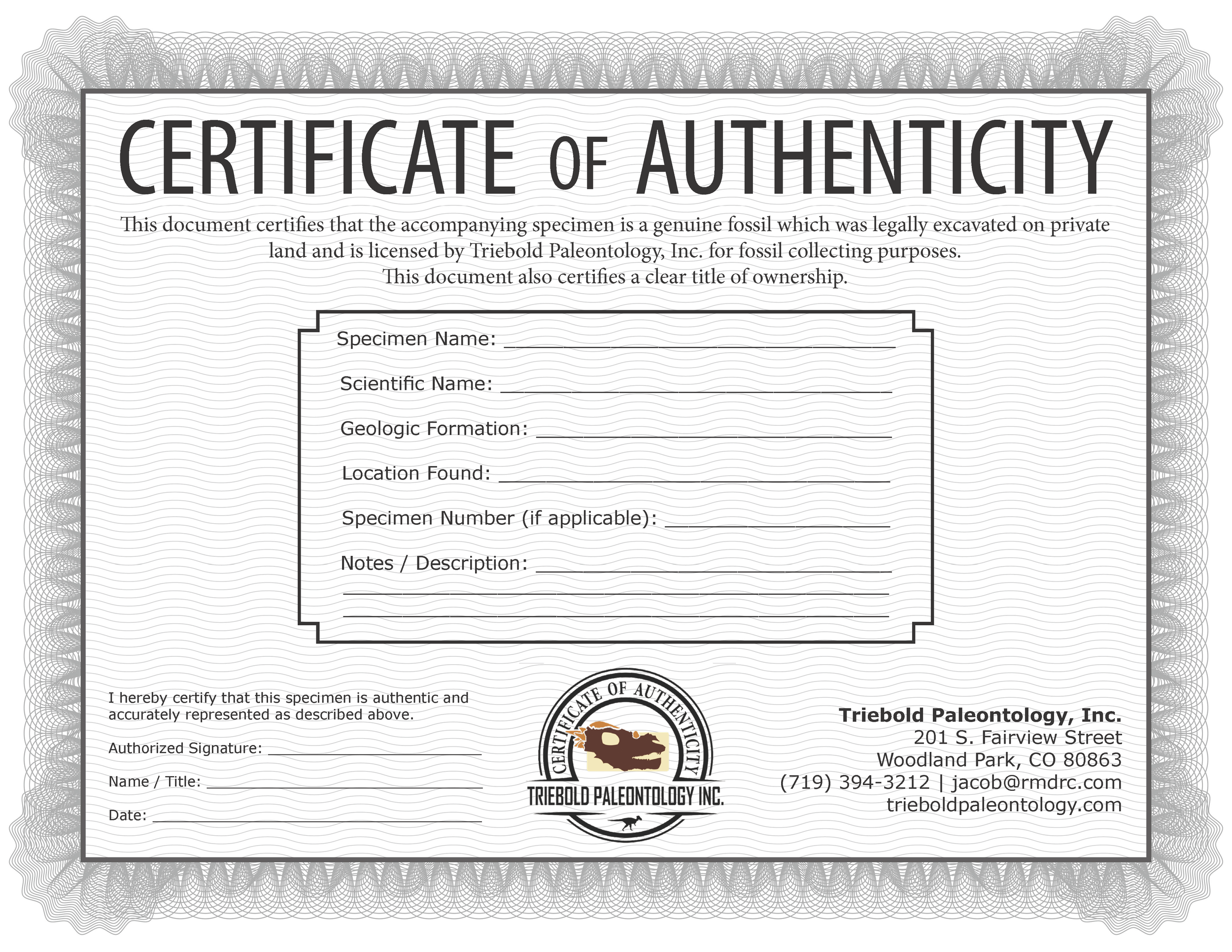
From Dirt to Display — TPI can provide a clear title and origin for all of our specimens, ensuring authenticity and legality.
The Biggest Myth New Collectors Believe
“What percent complete is it?”
Completeness sounds scientific, but it’s often misleading.
Value and scientific importance depend far more on:
Rarity
Scientific significance
Quality of preservation
Documentation and provenance
Display quality
Market demand
(I go deeper into this — and better questions to ask — in my BLOG
Restoration Isn’t the Enemy — Dishonesty Is
Restoration is normal. Even museums restore fossils.
The problem is misrepresentation.
Watch for:
Large areas of sculpted putty
Overly smooth surfaces
Painted areas hiding repair work
Artificial grain patterns meant to mimic bone texture
Authentic fossil bone has natural, irregular grain — like wood.
Why People Collect Fossils
Most collectors fall into one (or both) categories:
Display Collectors
Want visually stunning statement pieces
Living room, gallery, or office display
Legacy / Rarity Collectors
Want unique or scientifically important specimens
Often loan or donate to museums
Many collectors also want fossils that hold or grow value — similar to fine art acquisitions.
The best starting point?
Be clear about why you want to collect — then educate yourself deeply.

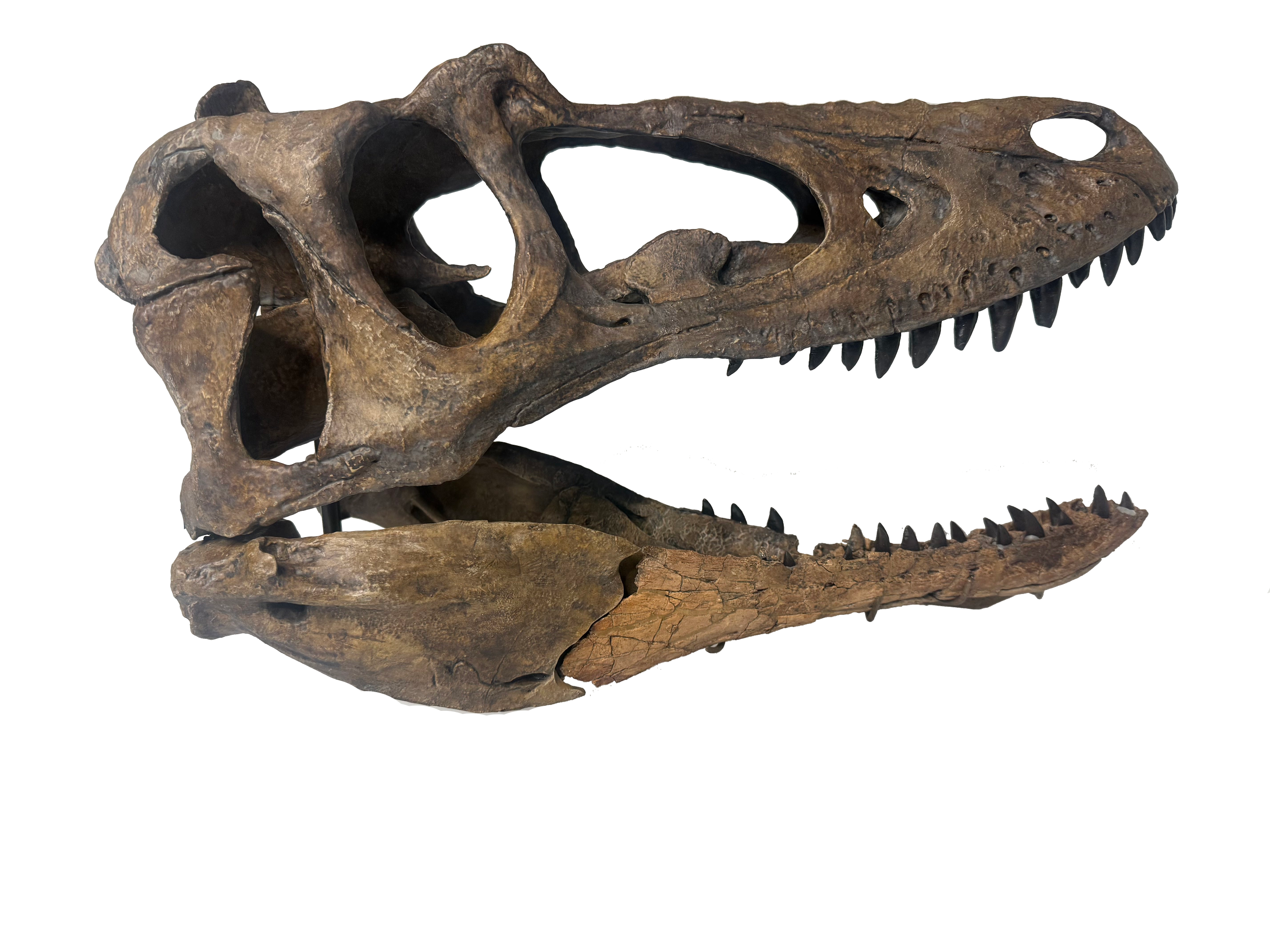
A cast replica of our new Tyrannosaurid named Sir William; purchased by a private collector in the United States. The original specimen of Sir William is available for purchase.
Original Fossils Available for Purchase: